

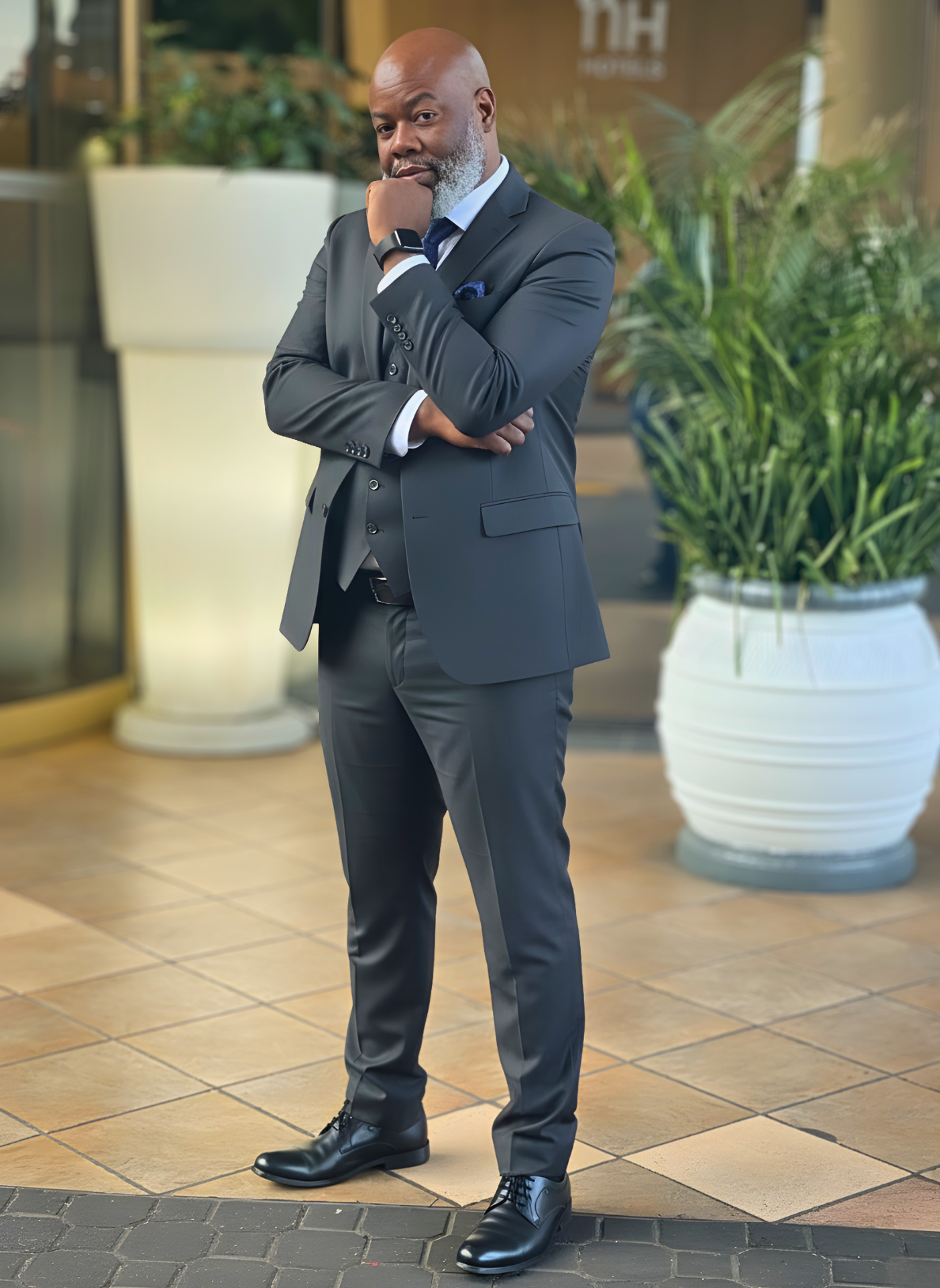
By Brian Matambo | Sandton, South Africa
On Monday evening, I received a call from my friend based in the United States. He is Zambian, deeply patriotic, and increasingly concerned about the state of our nation. What began as a casual check-in quickly turned into an uncomfortable but necessary conversation, one that forced both of us to confront difficult truths about law, citizenship, courage, and silence.
The heart of our discussion revolved around a deceptively simple question: what does it truly mean to be a good citizen?
For many, the answer seems obvious. Obey the law. Respect institutions. Trust the courts. Wait patiently for processes to conclude. Yet history warns us against such simplicity. Apartheid was legal. Colonial rule was legal. Slavery was legal. Each of these systems was defended by men who insisted they were merely respecting the law of the day.
Laws, we agreed, are not inherently moral. They are tools. They can protect the people or suppress them. Democracy does not always collapse through tanks on the streets or soldiers at the radio station. More often, it erodes quietly through injunctions, selective enforcement, procedural delays, and the gradual exhaustion of resistance.
In Zambia today, legality is frequently invoked as a shield against criticism. Court cases are cited. Injunctions are issued. Procedures are followed, at least on paper. But the lived experience of citizens tells a more troubling story. Laws appear flexible for those aligned with power and rigid for those who challenge it. Opposition figures are detained, restricted, or neutralised, while others operate with remarkable freedom.
This is where our conversation grew tense. At what point does obedience to the law stop being civic responsibility and become complicity?
If laws are used to discipline citizens rather than serve them, can compliance still be called virtue? Or does it become participation in injustice?
We spoke about recent examples that refuse to fade from the national memory. Edgar Chagwa Lungu, stripped of political eligibility through legal manoeuvres rather than democratic contest. Munir Zulu in prison even after his sentence came to an end. Raphael Nakacinda detained. Each case justified by procedure, each defended as lawful. Yet taken together, they reveal a pattern that cannot be dismissed as coincidence.
What troubled us even more was not only what had happened, but what had not happened. The silence. The absence of mass resistance. The millions who complain privately but remain invisible when courage is required. Patriotism, it seems, has become something we speak about rather than practise.
My friend challenged me, and in doing so challenged many of us who speak, write, and analyse from relative safety. Must resistance always lead to arrest? Is imprisonment the only proof of patriotism? Or have we redefined patriotism so narrowly that it now excludes strategic restraint, intellectual resistance, and long-term organising?
There is no easy answer. Not everyone can march. Not everyone can be arrested. Resistance takes many forms. Writing, speaking, organising, funding, shielding others. But resistance that carries no risk at all eventually becomes theatre. It comforts the speaker more than it challenges power.
As we spoke, the conversation returned repeatedly to the cost of leadership. Two weeks earlier, Makebi Zulu had been involved in a serious road traffic accident. He survived a near-fatal incident. Days later, he issued a calm, measured public statement on Bill 7. No insults. No theatrics. Just clarity. In moments like that, leadership reveals itself not through noise, but through steadiness under pressure.
Beneath our disagreement lay a deeper fear. Time. Elections are approaching. Campaigns cannot be built overnight. Court battles consume months. Confusion paralyses structures. While opposition factions argue over legality and procedure, power consolidates quietly elsewhere.
There comes a moment in every nation when citizens must decide whether they still believe change is possible, or whether they have slowly accepted management in place of democracy. That moment does not arrive with sirens or speeches. It arrives through private conversations like ours. Between friends. Between doubt and conviction. Between fear and resolve.
We did not end the call in agreement. But perhaps that was never the goal. Democracy is not sustained by comfort. It is sustained by tension. By citizens willing to wrestle honestly with the moral cost of obedience and the personal cost of resistance.
History is rarely kind to those who say, “I was just following the law.” It is far kinder to those who asked harder questions while there was still time.
In the end, the law will always demand compliance. Conscience demands more.
Leave a Reply