

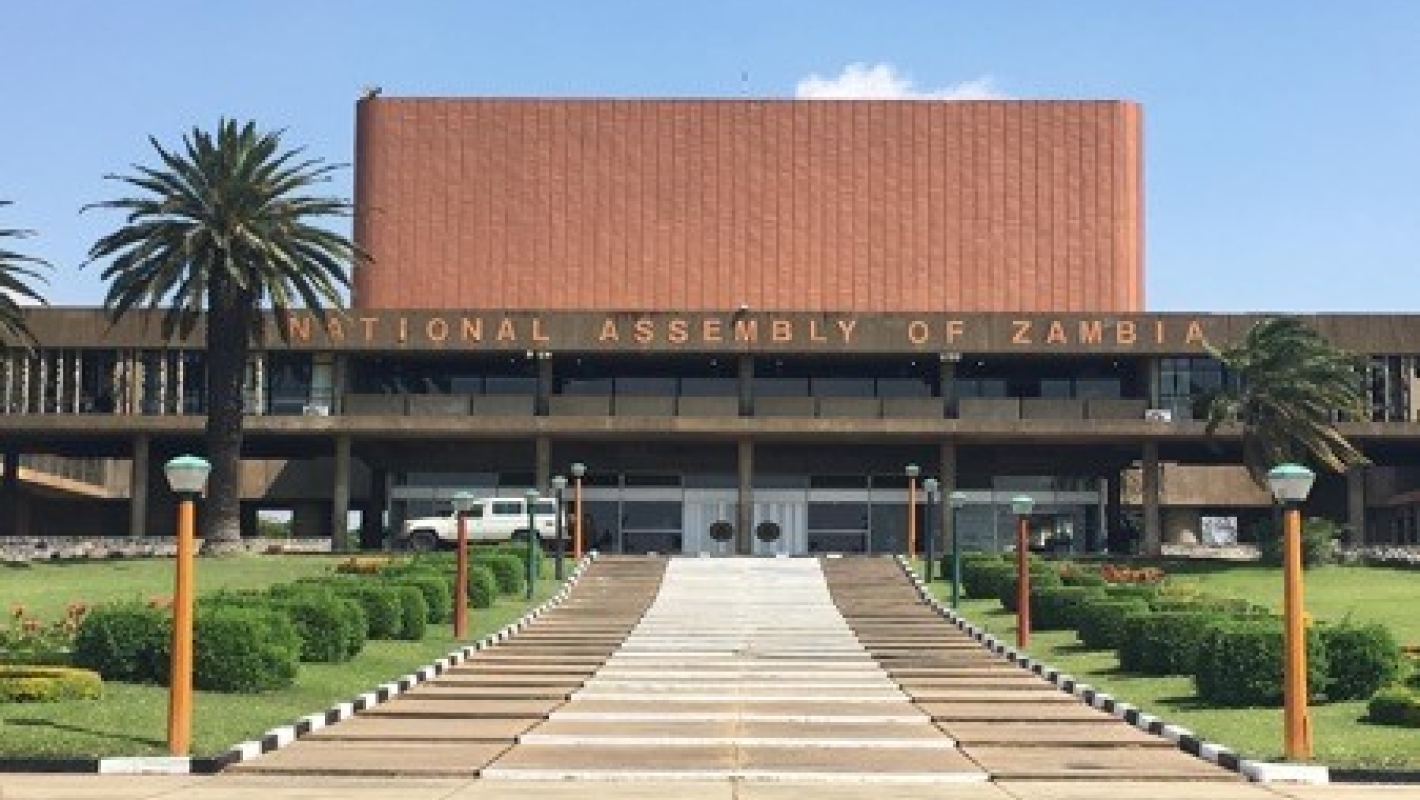
By Brian Matambo | Lusaka, Zambia
Today, I wrote on my Facebook profile a statement that simply read: ZAMBIA HAS FALLEN. The reason for this post was because we witnessed a troubling development in our democracy. Bill 7, a bill already declared illegal and void, was forced back into the National Assembly as if the Constitutional Court had never spoken. What unfolded was not an ordinary act in governance. It was a confrontation with the very authority of the Constitution itself.
Bill 7’s legal status is not a matter of interpretation. It is settled law. The Constitutional Court, in the case of Munir Zulu and Celestine Mukandila versus The Attorney General, delivered a definitive ruling that the amendment process leading to Bill 7 was unconstitutional. The court underlined the principle that the Constitution belongs to the people and cannot be amended without their active participation. The majority judgment was unambiguous:
“Having considered the Constitution as a whole, in particular Articles 1, 2, 5, 7, 8, 9, 61, 90, 91, 92 and 118, we have come to the inescapable conclusion that the Constitution amendment process cannot be initiated without the participation of the People of Zambia through wide consultations,” the Constitutional Court stated.
The judges went further. They explained that legitimate constitutional reform must be initiated by an independent expert body and rooted in broad public consultation. Anything less is an assault on the architecture of the Republic. By these clear standards, Bill 7 was not merely irregular. It was null.
Yet today, Parliament was compelled to revisit the same bill. This is not a mere constitutional debate. This is institutional defiance. It attempts to elevate a narrow parliamentary vote above a binding ruling of the highest court. The implications are serious.
Civil society figures have already warned that pushing ahead with Bill 7 now crosses into treasonous territory. The Green Party’s public statement noted that implementing Bill 7 after the Constitutional Court’s ruling amounts to treason, and that warning is legally sound. When an act of Parliament seeks to override the Constitution itself, the offence that arises is no longer political misjudgement. It is an attempt to subvert the sovereignty of the people.
There is another reality that MPs must face. It may one day be difficult to prosecute a former president. Immunity is not easy to lift, and political reforms often move slowly. But MPs do not enjoy such durable protection. When UPND is eventually removed from office, the state will have full legal latitude to pursue those lawmakers who knowingly voted for a bill the courts had already struck down. Their votes will be recorded in the Hansard. Their actions will be traceable and undeniable.
Any MP supporting Bill 7 today is not simply taking a political stance. They are creating a clear evidentiary trail of their participation in an unconstitutional action. They are exposing themselves to future prosecution for a crime far more serious than legislative misconduct.
Zambia has always relied on the rule of law to steady the nation through its storms. When politicians attempted to stretch or distort the Constitution, the courts reminded them that the Republic rests on the will of the people, not the will of the powerful. Today’s decision to resurrect Bill 7 tears at that foundation.
Bill 7 is no longer a legislative proposal. It is a test of conscience, legality and national stability. MPs must understand that this vote will follow them long after today’s political alliances have dissolved.
Zambia may be hurting, but it has not fallen irretrievably. The Constitution still stands. And when power shifts, those who undermined it will find that the law remembers.
Leave a Reply