

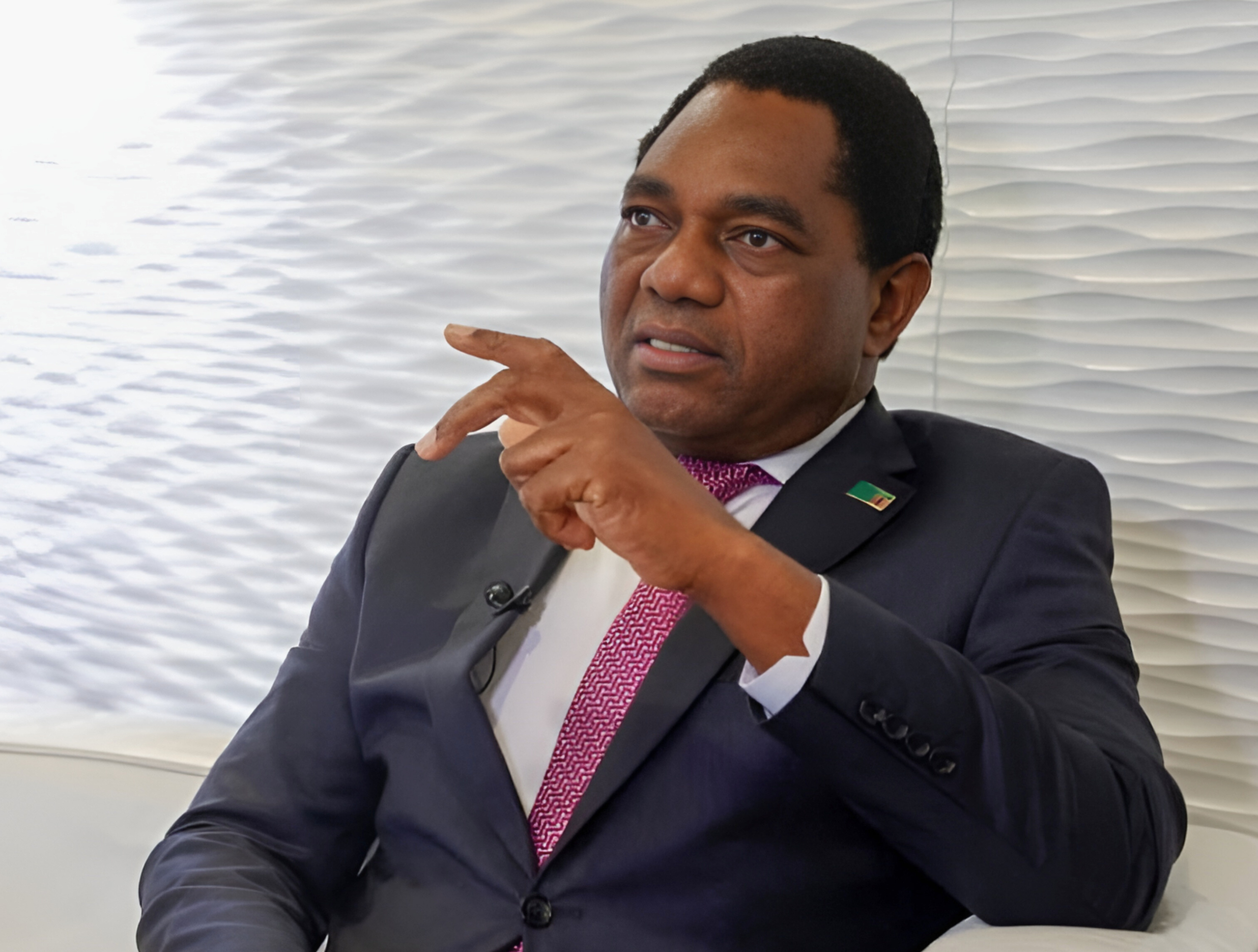
The Zambian Case Under President Hakainde Hichilema
By Thandiwe Ketiš Ngoma
Around the world, authoritarian leaders no longer need soldiers in the streets or tanks outside Parliament to silence dissent. Modern dictatorships rarely announce themselves loudly. Instead, they cloak themselves in the language of democracy, speak of constitutionalism, and use the justice system as a weapon. This strategy, known as lawfare, is becoming a powerful tool for leaders seeking to consolidate control without appearing openly repressive.
In Zambia, many citizens, activists, and observers now warn that President Hakainde Hichilema’s administration is displaying worrying signs of this trend.
What Is Lawfare?
Lawfare is the political misuse of legal institutions to intimidate, weaken, or silence critics. Instead of openly attacking opponents, a government deploys the police, investigative wings, regulators, and the courts to create fear. It maintains the appearance of the rule of law while the true effect is political control.
It is the hallmark tactic of modern strongmen who prefer silence over open confrontation.
Zambia’s Democratic Promise and Its Dark Turn
When President Hichilema entered office in 2021, he carried the hopes of millions who believed in a new era of freedom and constitutional renewal. He promised an end to cadresim, a restoration of civil liberties, and a government that listens rather than intimidates.
Yet today, many citizens believe Zambia is drifting toward a climate where speaking out carries real personal risks. A pattern of incidents has created an atmosphere of fear and suspicion.
Arrests of activists. Police harassment of government critics. Selective enforcement of the law. Investigations perceived to target only opponents of those in power.
For many Zambians, the message feels unmistakable. Dissent is no longer welcome.
The Pattern of Lawfare Emerging
Opposition leaders face constant questioning. Critics are charged with broad offences such as hate speech, defamation of the President, or seditious practices. Police responses appear harsher when the accused is anti-government. Meanwhile, some ruling party members accused of similar behaviour seem to escape scrutiny.
This imbalance lies at the heart of lawfare. It allows those in power to hide behind judicial processes while effectively silencing those who challenge the administration. The phrase “we are simply following the law” becomes a shield for practices that undermine genuine democratic competition.
A Democracy That Punishes Dissent Is No Democracy
A society where citizens fear questioning the government is not a free society. A political system where rallies, speeches, or online criticism attract legal threats cannot claim to be open. State institutions that appear more loyal to a ruling party than to the people cannot be considered impartial.
Zambia’s history is rooted in the struggle for freedom and justice. Its people know what oppression looks like and what it feels like. This is why the rise of perceived lawfare under President Hichilema is setting off alarms across the nation.
The Danger of Silent Authoritarianism
Authoritarianism today is subtle. It does not always shout. Often, it whispers.
It looks like endless court summons. It looks like investigations that drag on without resolution. It looks like police arriving at your home over a social media post. It looks like citizens lowering their voices in public out of caution.
This is the quiet danger of lawfare. A slow tightening of civic space, hidden behind legal procedure.
Zambians Must Defend Their Democratic Space
Democracy does not belong to the government. It belongs to the people.
Every citizen has a responsibility to ensure that the law remains a tool for justice, not an instrument of political control. Once lawfare becomes normal, it becomes permanent. And once it becomes permanent, no one is safe — not activists, not journalists, not opposition members, not even ordinary citizens simply expressing an opinion.
A Call to Accountability
President Hakainde Hichilema must be reminded that leadership is not the absence of criticism. Leadership is the ability to tolerate scrutiny, to accept opposing voices, and to allow citizens to speak without fear.
Real leadership does not use institutions to intimidate. It does not turn legal processes into tools of survival. It does not convert justice into a shield for the powerful and a spear for the vulnerable.
A nation that fears its government is heading down a dangerous path. A government that respects its people, even when criticised, lays the foundation for true democracy.
Zambia stands at a pivotal moment. It must choose between a future of shrinking freedoms or a renewed commitment to justice, equality, and democratic integrity.
The people are watching. History is watching. And Zambia’s democracy depends on what happens next.
Leave a Reply