

By Brian Matambo, Lusaka Magistrates Court
Honorable Raphael Nakacinda has denied that his statement “Ubututu” amounted to a tribal remark because, he told the court, he could not possibly be tribal against himself. Appearing in the Lusaka Magistrates Court, Nakacinda delivered a factual, controlled and pointed defence anchored in his own identity and in the historical record of Tonga speaking leadership in Zambia.
Nakacinda began by making the foundation of his argument unmistakable. He is a Tonga speaking citizen of the Republic of Zambia, born of Monze, Bweengwa and Chief Chona. President Hakainde Hichilema comes from the same lineage. “How can I hate who I am,” he asked the court, noting that the State’s attempt to frame his criticism of the President’s governance as an attack on Tonga people collapses under basic logic.
He clarified that his remarks were directed at one individual, the President, and that the Bemba expression “Ubututu” simply means ignorance. He stressed that the term has nothing to do with tribe and is used to describe a lack of knowledge, not stupidity. The interview in question lasted over one hour and thirty minutes, and he told the court that the clipped extract presented as evidence strips away the necessary context.
Nakacinda went further, pointing to a long line of Tonga speaking leaders whose service at the highest levels of government contradicts the ruling party’s narrative that Tongas have been historically sidelined. He cited Mark Chona, one of Zambia’s most important advisors during the Kaunda administration, a respected Tonga speaking statesman who shaped national policy. He referenced Vernon Mwaanga, a towering diplomat and political operator whose influence spanned multiple governments. He also cited Elijah Mudenda, another Tonga speaking national figure who served as Prime Minister and held multiple senior portfolios.
He argued that the presence of these men at the centre of Zambia’s governance for decades demonstrates that the idea of Tonga marginalisation is a political tactic, not a historical fact. He told the court that the ruling party’s tendency to interpret every matter through a tribal lens is what fuels unnecessary division.
Nakacinda said that the interpretation being pushed by UPND cadre Bruce Kanene, who reported the matter to the police, reflects this same political framing. He argued that if Kanene had grasped the full context of the interview, he would have understood that the criticism was limited to the President’s governance decisions and was never directed at the Tonga community or at Bweengwa.
He reminded the court that Bweengwa itself is not a purely Tonga space. Families from Northern and Eastern Provinces live there, work there and are part of the community. He said that turning any mention of Bweengwa into a tribal signal is manufactured and misleading.
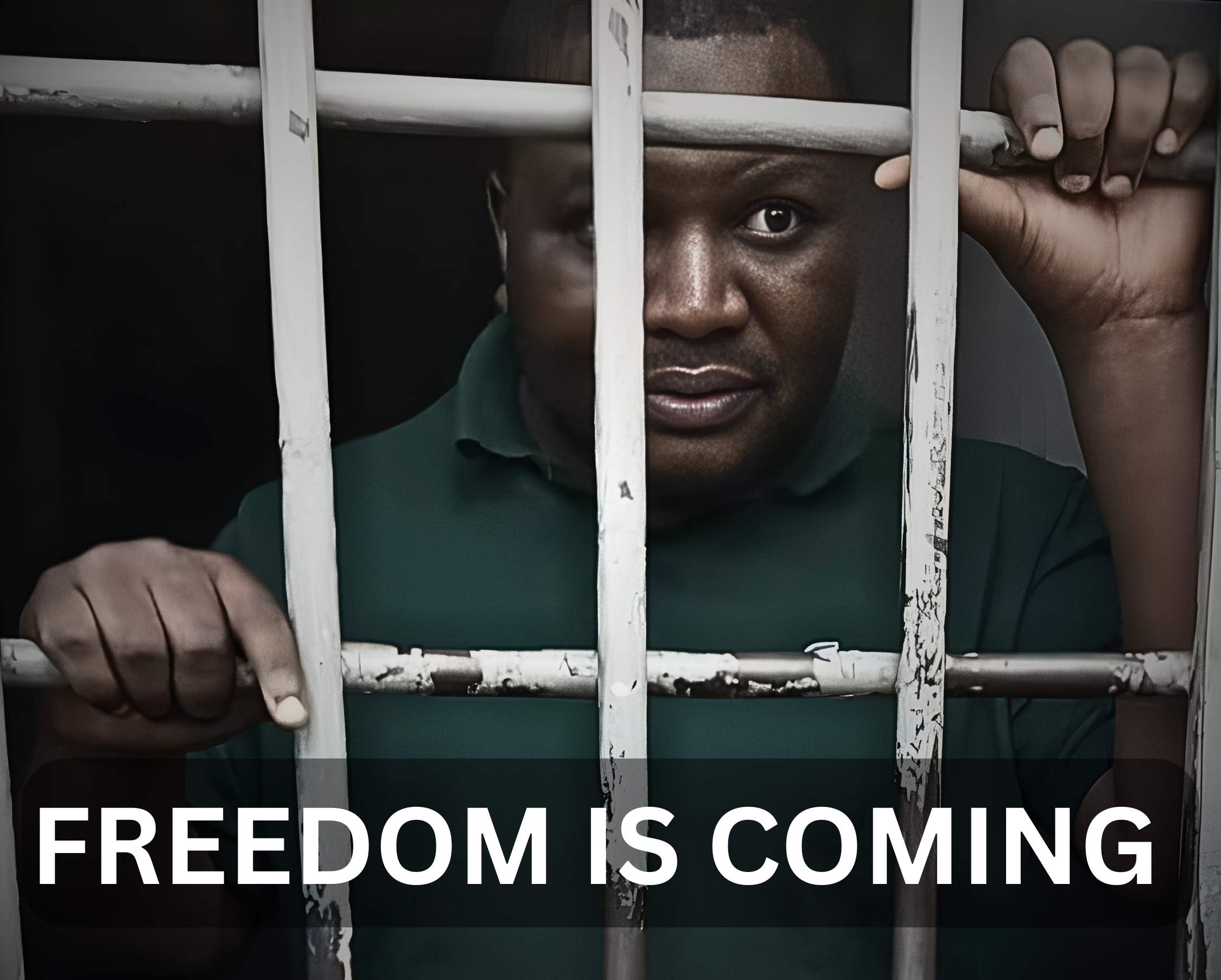
The court also heard that Nakacinda was arrested in Lusaka, transported to Solwezi, and then brought back to Lusaka for a matter that he says was politicised from the start. He maintained that he never made any statement in Solwezi and that the case arose from a mischaracterisation driven by partisan interpretation.
Nakacinda reaffirmed that tribalism is wrong no matter where it comes from. He said his obligation as Secretary General of the main opposition party is to provide checks and balances to the government, and that his comment was part of that responsibility. It was political criticism directed at a President, not an ethnic community.
Proceedings in the Lusaka Magistrates Court continue.
Leave a Reply