

By Brian Matambo | 24 February 2026
The Mast Editor-in-Chief, Jeremy Kondwani Munthali, appeared before the Lusaka Magistrates Court today as a witness of fact in the sedition case of Patriotic Front Secretary General Honourable Raphael Mangani Nakacinda.
Honourable Nakacinda is facing charges of seditious practices arising from a September 2024 broadcast in which he alleged that President Hakainde Hichilema was using law enforcement agencies to pursue former President Edgar Chagwa Lungu out of political vengeance ahead of the 2026 general elections.
Munthali’s testimony centred on a breaking news article published on The Mast Facebook page on 26 September 2024 under the headline, “Police to ‘pick’ up Lungu tonight.” The article, citing government sources, reported that a combined team of security officers was expected to move on Lungu’s residence following remarks allegedly made at the PF Secretariat.
Under cross-examination, the defence secured a significant confirmation. Munthali told the court that Honourable Nakacinda’s broadcast addressed the same subject matter as the newspaper’s publication. Both, he affirmed, dealt with the anticipated mobilisation of law enforcement officers to apprehend former President Lungu at his residence in Chifwema.
In his video, Nakacinda called on supporters to peacefully mobilise at the residence to ensure that no illegal or unconventional actions were carried out under the cover of darkness. The defence position is direct and unapologetic: he was reacting to a story already in the public domain.
Munthali further confirmed that Honourable Nakacinda was neither the source of the article nor an administrator of The Mast Facebook page. He did not originate the information. He commented on it.
The Editor-in-Chief also acknowledged that the Facebook post attracted numerous reactions and comments from members of the public. Yet among the many voices that responded, only one now faces criminal prosecution.
While Munthali noted that the exact wording of Nakacinda’s video differed from the Mast Facebook post, he maintained that the core subject was identical: the anticipated police action against Edgar Lungu.
The trial continues, but the broader political undertone cannot be ignored.
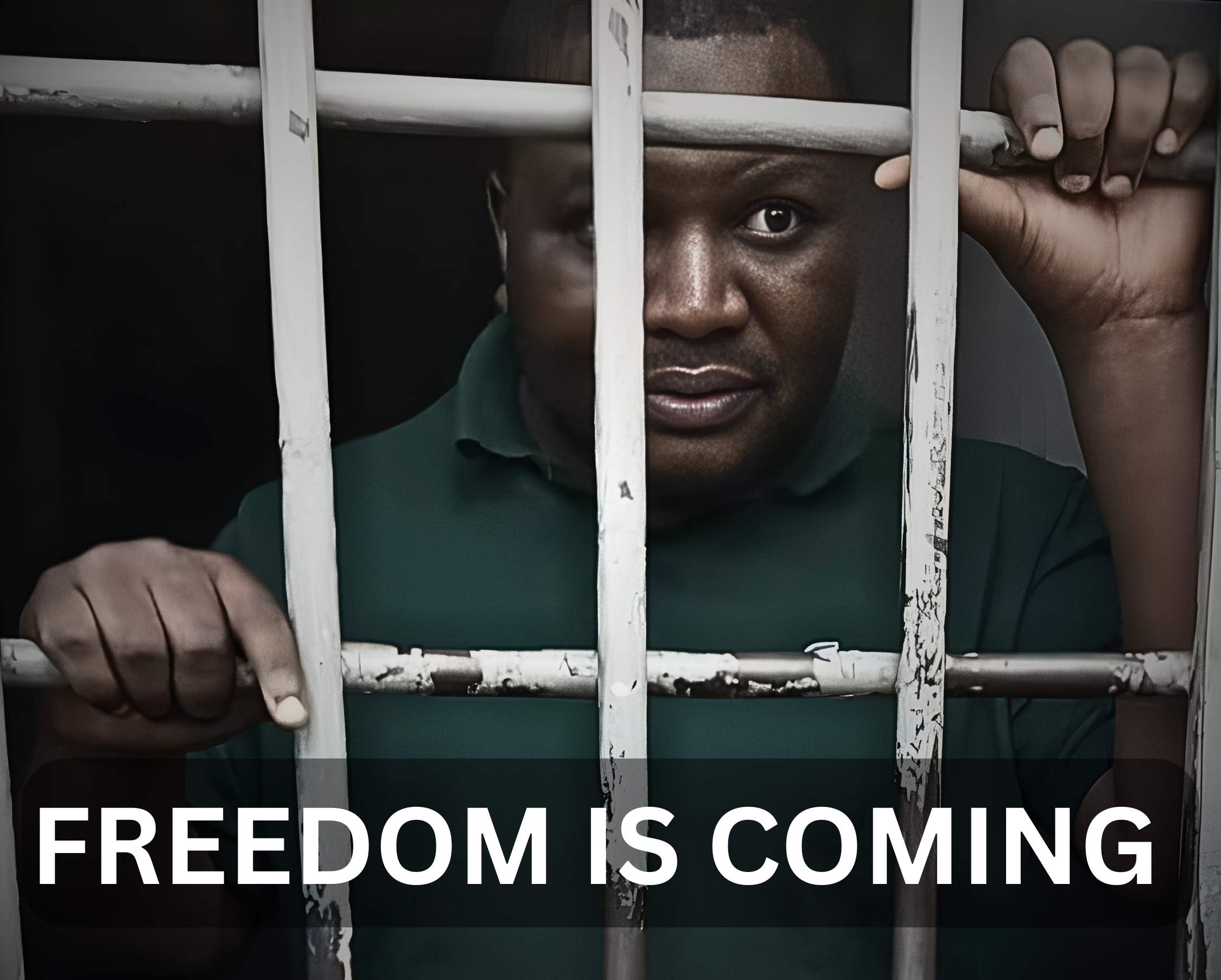
Honourable Nakacinda remains behind bars not for violence, not for corruption, but for speech. He is currently serving 18 months for the offence of defamation of the President based on a law that has since been repealed. He is also serving another 6 months for another controversial case in which the state criminalised the word ubututu as hate speech.
Both local and international observers argue that the law has been stretched and strategically applied to restrain a vocal critic. What is presented as law enforcement is simply political containment.
Today’s proceedings add to that narrative. The case arises from his response to a Facebook publication that generated wide public engagement. Social media discourse is inherently noisy and contested. Yet his response alone has been isolated, extracted, and elevated into a criminal charge.
Supporters describe him as a prisoner of conscience, detained for dissent rather than danger. If responding to a published news report can amount to sedition, then the boundary between commentary and crime has become dangerously thin under the UPND regime.
In Zambia today, freedom of speech increasingly feels less like a protected right and more like a calculated risk.
Leave a Reply