

By Brian Matambo | January 19, 2026
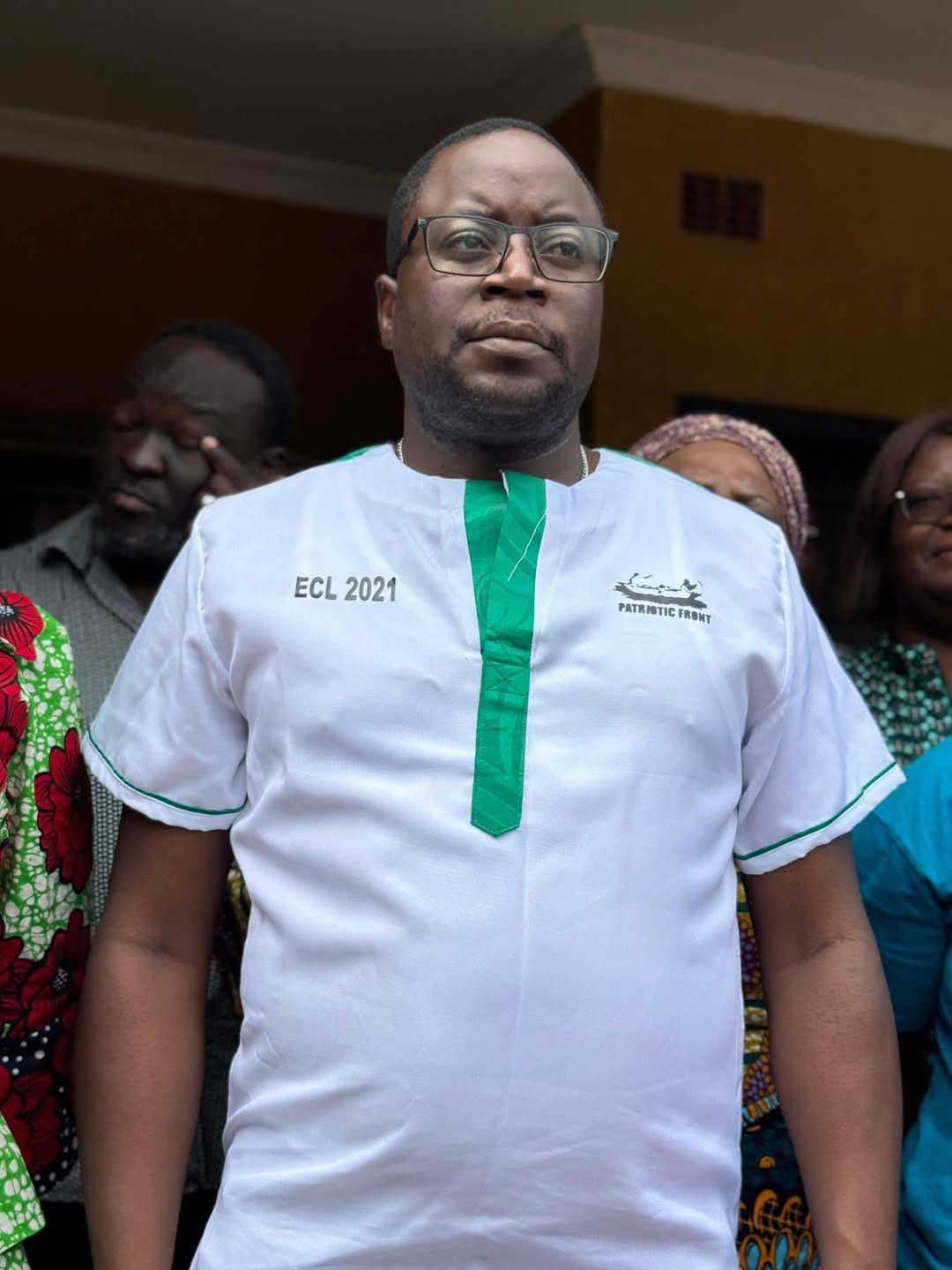
Clearly, Makebi Zulu gives the UPND regime sleepless nights. His homecoming today, 19 January 2026, was no different. For the first time since surviving a serious road traffic accident in December, Makebi Zulu returned to his home in Malambo Constituency. It was not an ordinary visit. It carried the weight of survival, the echoes of national politics, and the unease that has increasingly followed opposition figures across the country.
The December accident, which occurred as Makebi Zulu was travelling to Kasama, nearly claimed his life. In that vehicle were former DDMU national coordinator Chanda Kabwe and former Minister of Mines Richard Musukwa, a close confidant of the late former President Edgar Chagwa Lungu. Makebi Zulu’s survival elevated him in the public imagination from an outspoken constitutional lawyer to a figure many now view through a providential lens.
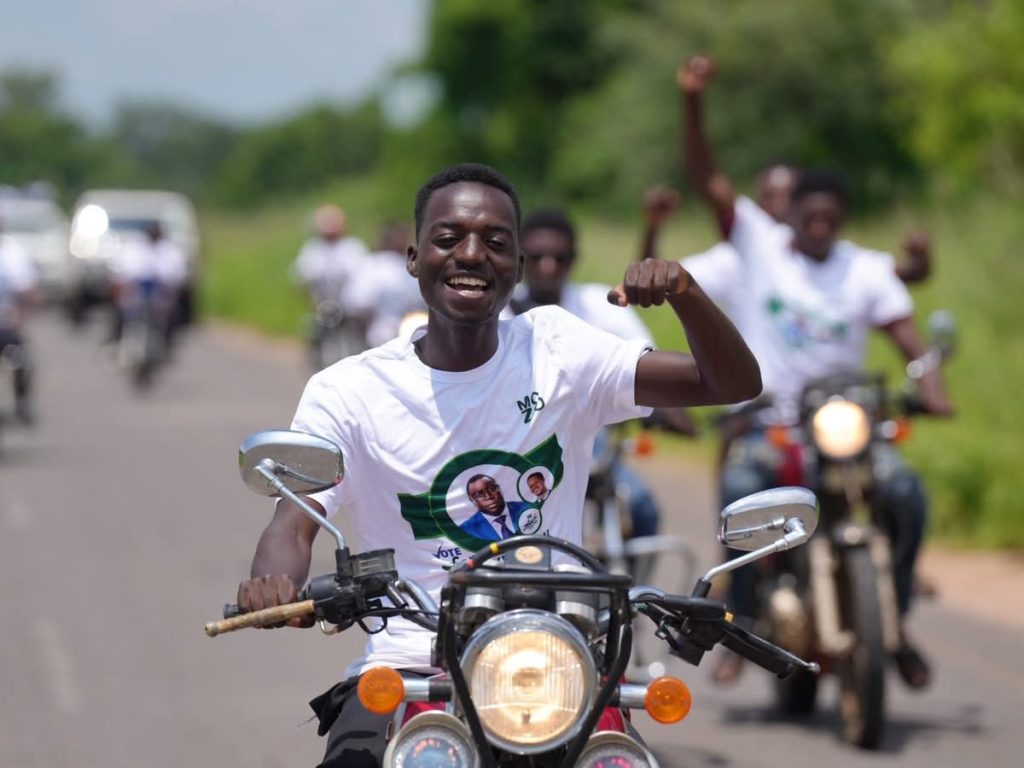
Residents of Malambo lined the roads, chanting and singing in welcome, their voices rising with the refrain, “Awela mwana wasu Makebi.” It was a homecoming marked by warmth, cultural pride, and an unmistakable political undertone. Makebi Zulu later paid courtesy calls on traditional leadership, including Senior Chief Nsefu and Chief Mkanya of the Kunda people, where he received blessings that further reinforced the gravity of the visit.
It is what happened at his home in the early hours of the morning, however, that shocked the people of Malambo. News of a heavy police presence surrounding Zulu’s residence in Mambwe District spread rapidly across the area and on social media. Reports circulated that Zambia Police had raided the home of a Patriotic Front presidential hopeful at his own residence.
Eastern Province police commanding officer Robertson Mweemba later moved quickly to deny any wrongdoing. Speaking to the media, he said officers had been deployed not to harass or arrest Zulu, but to maintain peace after intelligence indicated that roughly 300 people had gathered at the residence without notifying the police. According to Mweemba, the situation had been “blown out of proportion” and unfairly politicised. He insisted the police were acting within their duty to protect the public and stressed that the service was not involved in politics. That explanation has done little to calm the controversy.
At the heart of this standoff lies a fundamental legal question that Zambia has wrestled with before: what power, if any, do the police have over private gatherings held in a private home?
The law is unambiguous. Article 17 of the 2016 Constitution protects the sanctity of the home. Without consent, a warrant, or specific statutory authority, the state cannot lawfully enter private premises or interfere with who may visit. The Public Order Act, often cited in political policing, governs public meetings and assemblies in public places. It does not apply to invited guests gathered inside a private residence. Only in exceptional circumstances, such as a declared state of emergency, court-imposed bail conditions, or public health quarantine orders, can authorities lawfully restrict visitors to a home. None of these conditions were in effect in Malambo today.
This legal reality stands in sharp contrast to the justification offered by police, and it explains why today’s events resonate far beyond Eastern Province. For many Zambians, the issue is no longer simply about crowd control. It is about selective enforcement, the shrinking space for political activity, and the uneasy pattern that follows opposition figures wherever popular support begins to crystallise.
What is undeniable is that Makebi Zulu’s return has altered the political temperature. A man who survived death on the road has come home to songs, blessings from traditional leaders, and a police cordon at dawn. That juxtaposition alone ensures that Eastern Province today is not merely hosting a visit. It is hosting a test of law, power, and the country’s tolerance for political momentum outside the ruling establishment.
Whether intended or not, the police presence has amplified Zulu’s profile rather than subdued it. In politics, moments like these have a way of escaping their authors. Eastern Province has spoken loudly today, not only in song, but in questions that the nation can no longer ignore.
Supporters and commentators questioned why a private residence would require police notification at all. Online reactions were swift and unsparing. Mozai Lungu, a supporter of Brian Mundubile, publicly asked whether Makebi Zulu could be “the chosen one” and urged the Patriotic Front to rally behind a leader worth running with.
Others were more confrontational. “You want President Makebi Zulu to notify you when he is visiting his own property?” one commentator asked, capturing the disbelief that has come to define today’s debate. Reports from Malambo District of arrests of individuals who had merely gone to visit Zulu only deepened suspicion and anger.
Leave a Reply