

Lusaka, Wednesday 7 January 2026
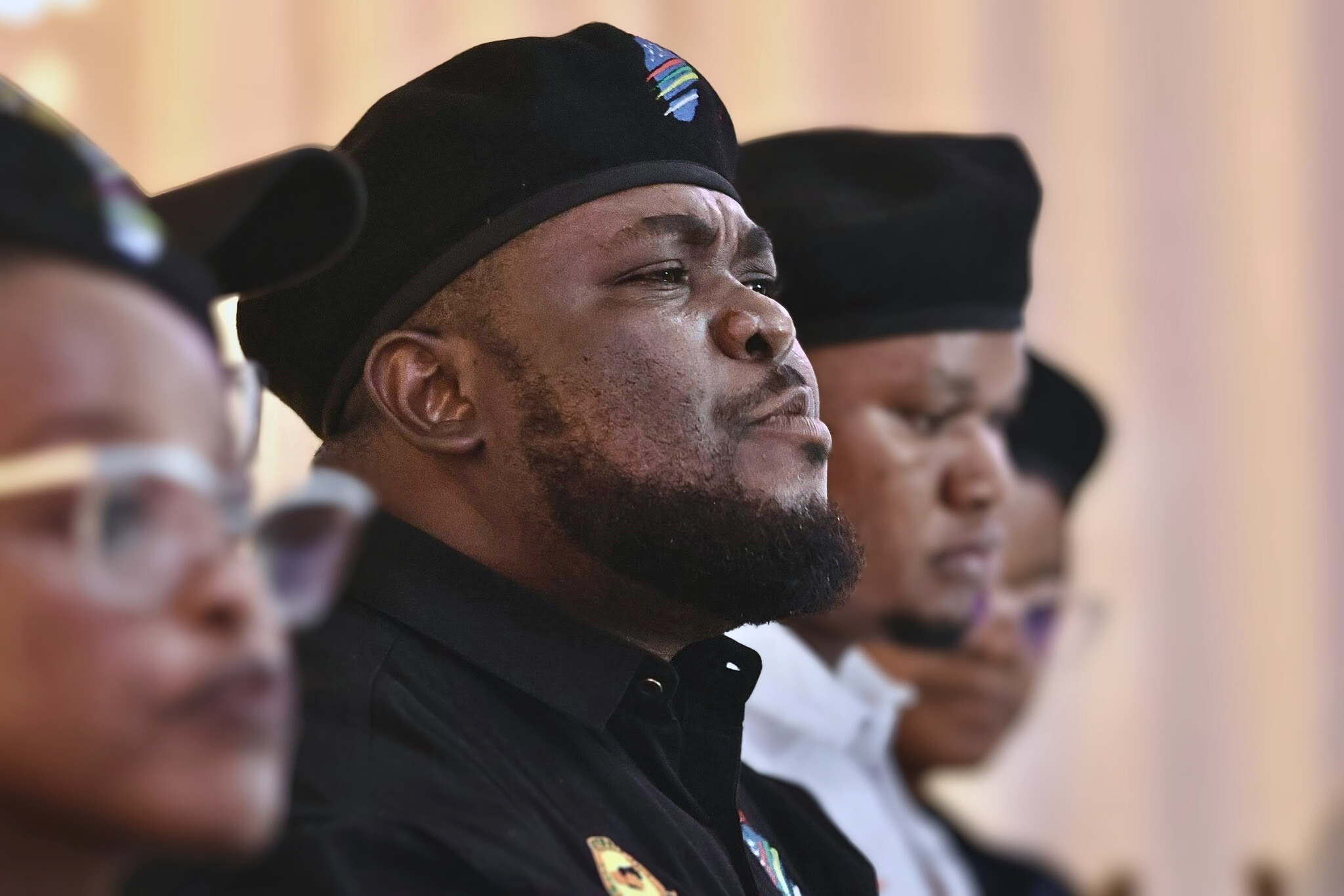
Youth leader and Southern African Student and Youth Development Association (SASYDA) president Ibrahim Mwamba has issued an emotional appeal over the prolonged delay in the burial of Zambia’s Sixth Republican President, Edgar Chagwa Lungu, describing the situation as a national wound that continues to deepen with each passing month.
Speaking at a SASYDA press briefing on Wednesday, Mwamba reflected on his personal relationship with the late former president, whom he said recognised and supported him as a young leader when he returned to active politics after leaving office. Mwamba described Lungu as a man of legacy, whose contribution to Zambia’s political life would ultimately be judged by history.
“I was loyal to President Edgar Chagwa Lungu,” Mwamba said. “A man that has left a legacy. A legacy that history will judge.”
Mwamba told the media that he was among a small group of young people directly acknowledged by the former president and said their interactions were a matter of public record. But his remarks quickly turned somber as he addressed what he called the unresolved pain surrounding the former head of state’s burial.
“My heart is in pain,” Mwamba said, noting that seven months had passed since President Lungu’s death without closure for his family or the nation. He said the continued delay was distressing not only to those who admired Lungu politically, but especially to those closest to him.
Mwamba addressed members of the Lungu family, including Tasila Lungu, whom he referred to as a sister, stressing that his words were motivated by shared humanity rather than politics.
“These are people that I share a relationship with,” he said. “Please, find it in your hearts to sit with the government of the day to see how best we can bury our Sixth Republican President.”
While acknowledging that dialogue between the family and the state had faced setbacks, Mwamba urged all parties to seek a peaceful resolution that avoids the courts and honours the wishes of the deceased. He warned that allowing the matter to remain unresolved risked turning a solemn national moment into a prolonged public dispute.
It is worth noting, however, that the only reasonable and humane direction left in the burial of Edgar Chagwa Lungu is for the state to step away and allow the Lungu family to bury their loved one in the manner they themselves believe is dignified. They are the ones most affected. Their grief is personal, enduring, and irreplaceable. Their need for closure is more important than Hakainde Hichilema’s ego.
No nation gains moral authority by overpowering a grieving family. No president gains stature by prolonging sorrow. And no legacy, whether of the departed or of the living, is enhanced by a burial conducted in conflict.
If Zambia is to heal, it must remember a simple truth. Funerals are not contests of power. They are acts of love. And love, not ego, must have the final word.
Leave a Reply